
Lar

Lar | Alfaguara (PRH), 2026

Monday, December 7th, 1857. The female tobacco workers of the A Coruña Tobacco Factory rise up against the introduction of machines on their production line and lead an unprecedented Luddite revolt in Galicia. This is the starting point of a novel that speaks from the flesh and blood of its protagonists—women who stood before an army in order to defend their livelihood. A story spanning just over twenty-four hours, rooted in a historical event yet exposing an everyday tragedy.

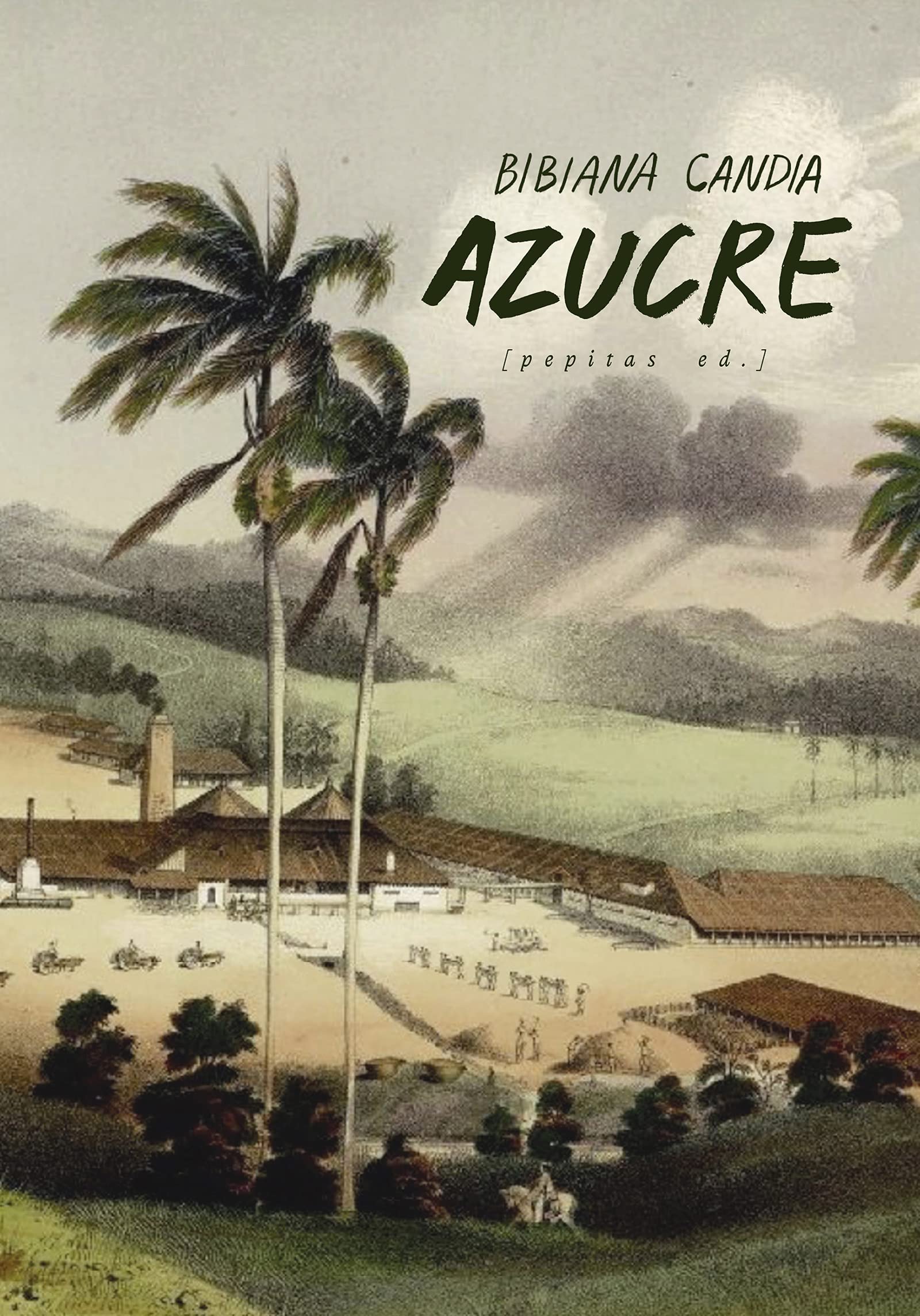
Lar is the second novel to construct a contemporary myth that began with Azucre. It is based on the idea of giving voice to those who were never able to tell their story, those who were forced to “earn a living” and of whom no record remains.

PRESS
«(Lar) challenges us and serves as a mirror and a lineage through the sheer evocative power of the style chosen by Candia, and its ending appeals with as much beauty as lucidity to the fury against injustice.»Nadal Suau, Babelia
 
«Stories like these strike a chord that touches us all at the deepest level of our humanity, in our sense of alienation, in the feeling of being walked all over.» Bibiana Candia in El Periódico 
 
«It is a novel forged in fire, in its many meanings. It is the inner fire and the fury to endure. It remains a flame that never goes out.» Nico Carreira, La Opinión A Coruña
TRANSLATION & FILM RIGHTS

France: Le Typhon; Poland: ArtRage
Lar

Lar | Alfaguara (PRH), 2026

Monday, December 7th, 1857. The female tobacco workers of the A Coruña Tobacco Factory rise up against the introduction of machines on their production line and lead an unprecedented Luddite revolt in Galicia. This is the starting point of a novel that speaks from the flesh and blood of its protagonists—women who stood before an army in order to defend their livelihood. A story spanning just over twenty-four hours, rooted in a historical event yet exposing an everyday tragedy.

Lar is the second novel to construct a contemporary myth that began with Azucre. It is based on the idea of giving voice to those who were never able to tell their story, those who were forced to “earn a living” and of whom no record remains.

PRESS
«(Lar) challenges us and serves as a mirror and a lineage through the sheer evocative power of the style chosen by Candia, and its ending appeals with as much beauty as lucidity to the fury against injustice.»Nadal Suau, Babelia
 
«Stories like these strike a chord that touches us all at the deepest level of our humanity, in our sense of alienation, in the feeling of being walked all over.» Bibiana Candia in El Periódico 
 
«It is a novel forged in fire, in its many meanings. It is the inner fire and the fury to endure. It remains a flame that never goes out.» Nico Carreira, La Opinión A Coruña
TRANSLATION & FILM RIGHTS

France: Le Typhon; Poland: ArtRage