There is no need for a feminist manifesto to justify this work. The facts speak for themselves: a generation of womenwriters who embraced the freedoms of the Republic, only to suffer the merciless revenge of a dictatorship that split the country in two—before, a time of great hopes; after, a time of loss and silence. Women who had gained access, as never before, to professional and creative life suddenly found themselves muted. Both established authors and those who had not yet managed to publish in the 1930s fell victim to severe discrimination. Under Francoism, being a woman was enough to strip them of autonomy and confine them to the home.
How many women writers born between the late nineteenth century and 1925 are remembered today? Mercè Rodoreda, Aurora Bertrana, Maria Aurèlia Capmany, Teresa Pàmies… perhaps also Teresa Vernet, Anna Murià, Rosa Maria Arquimbau, and a few more. This book brings together as many as thirty, each represented by at least one novel, and sheds light as well on other remarkable women of the same era. If their biographies are often striking, they become all the more poignant in their final years, when the curtain falls: brief death notices, perfunctory obituaries, silence. From the chill of silence to the cold of oblivion.
There is no need for a feminist manifesto to justify this work. The facts speak for themselves: a generation of womenwriters who embraced the freedoms of the Republic, only to suffer the merciless revenge of a dictatorship that split the country in two—before, a time of great hopes; after, a time of loss and silence. Women who had gained access, as never before, to professional and creative life suddenly found themselves muted. Both established authors and those who had not yet managed to publish in the 1930s fell victim to severe discrimination. Under Francoism, being a woman was enough to strip them of autonomy and confine them to the home.
How many women writers born between the late nineteenth century and 1925 are remembered today? Mercè Rodoreda, Aurora Bertrana, Maria Aurèlia Capmany, Teresa Pàmies… perhaps also Teresa Vernet, Anna Murià, Rosa Maria Arquimbau, and a few more. This book brings together as many as thirty, each represented by at least one novel, and sheds light as well on other remarkable women of the same era. If their biographies are often striking, they become all the more poignant in their final years, when the curtain falls: brief death notices, perfunctory obituaries, silence. From the chill of silence to the cold of oblivion.
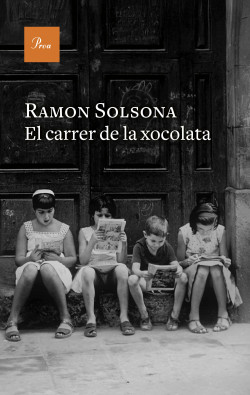
Chocolate Street | Proa, 2025
Way Back When | Proa, 2022
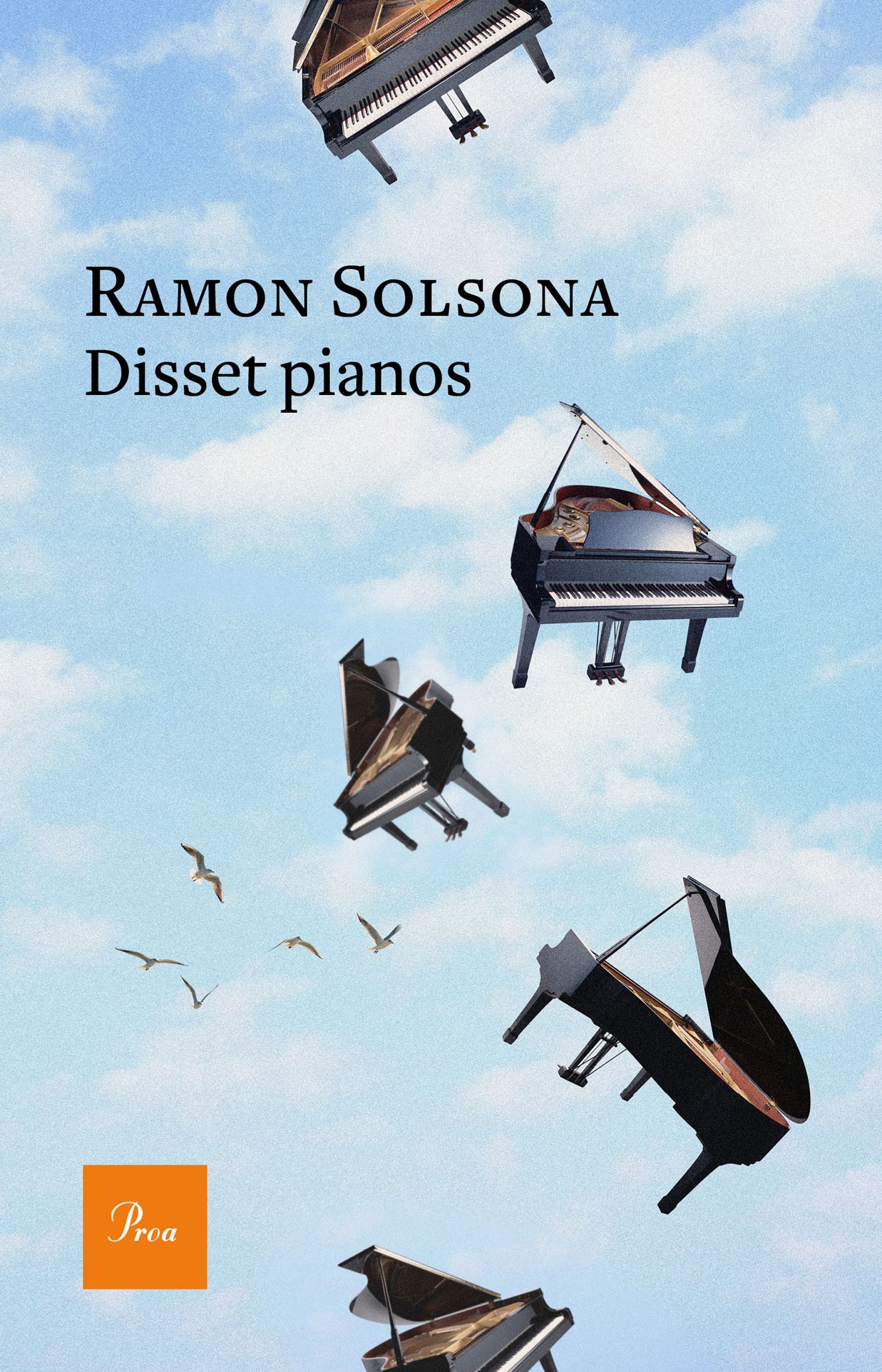
Seventeen Pianos | Proa, 2019
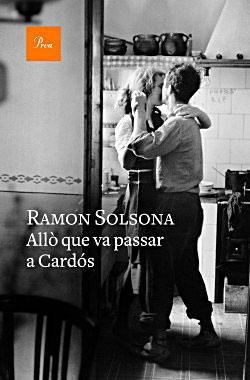
What happened in Cardós | Proa / Tusquets, 2016
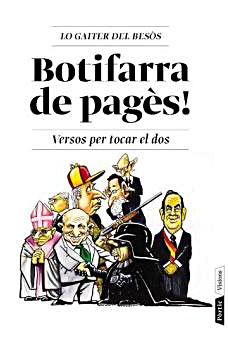
Pòrtic, 2013
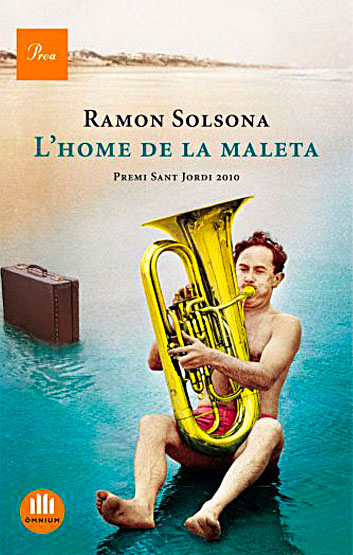
The man with the suitcase | Proa, 2011
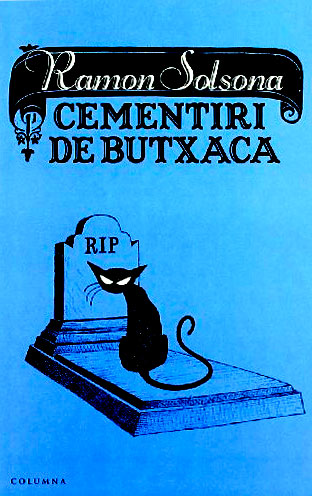
Pocket Graveyard | Columna, 2006
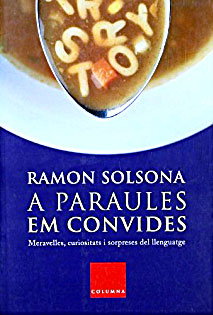
You’re Making me Speak | Columna, 2005
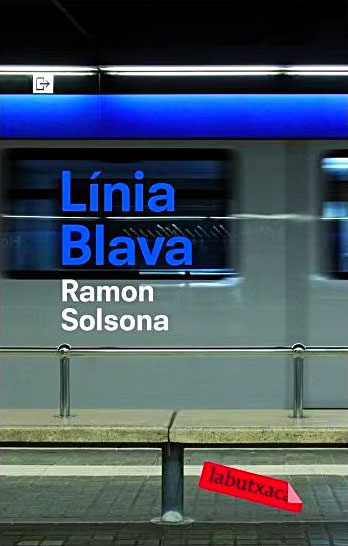
Blue Line | Columna, 2004
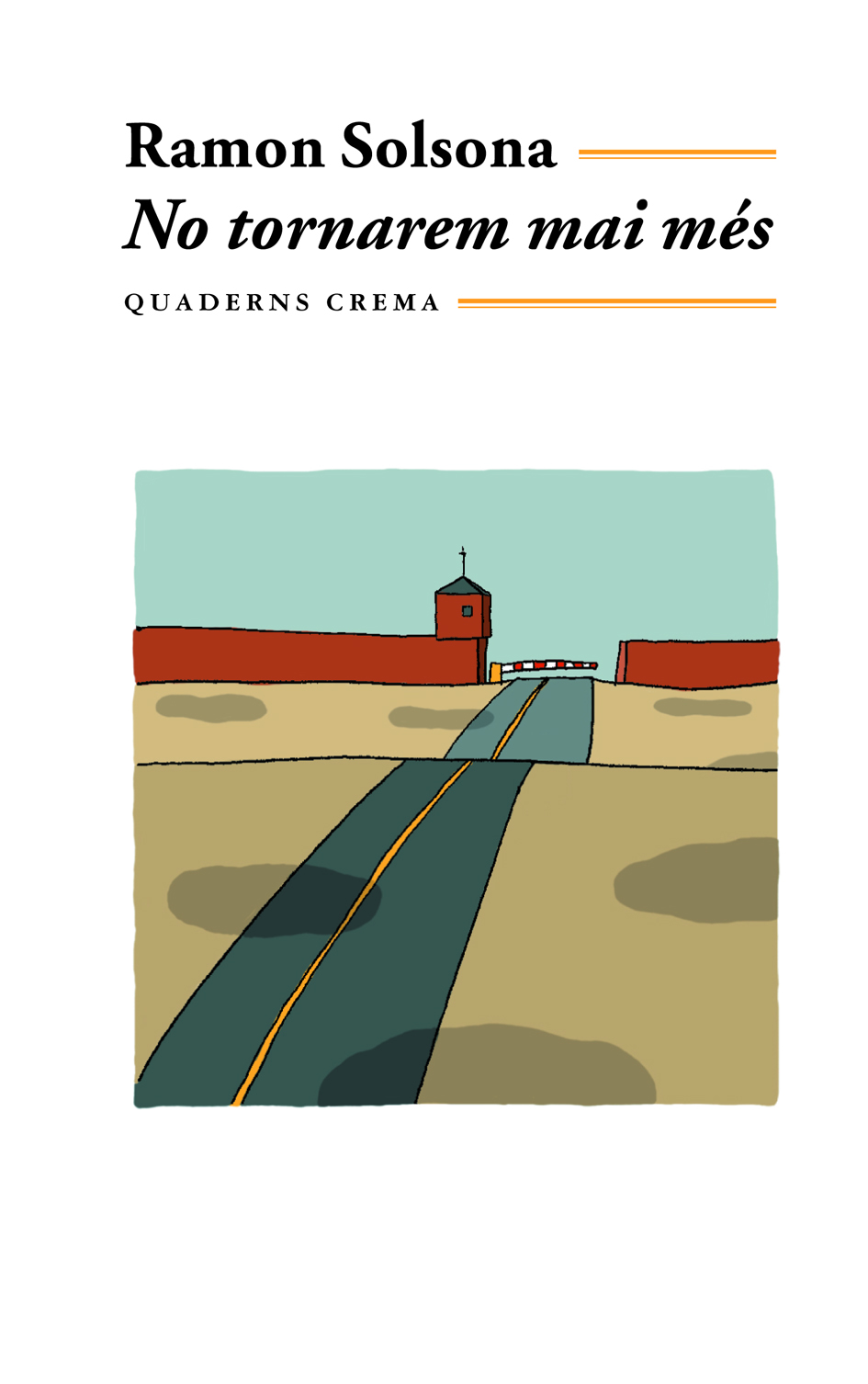
I'll Be Damned If I Ever Come Back | Quaderns Crema, 1999
General Director | Quaderns Crema, 1998
Eye of the Ox / Eye of the Cow | Quaderns Crema, 1995
The Stale Hours | Quaderns Crema, 1993
Kaleidoscope figures | Quaderns Crema, 1989